
Listening Where Ocean Meets Granite
Join us as we explore Tidal Rhythms: How Changing Tides Shape Cornwall’s Shoreline Acoustics, tracing the rise and fall that redraws coves, stirs harbors, and awakens cliffs. We will listen for subtle shifts between hush and thunder, meet voices carried by water, and learn practical ways to hear more deeply along this storied coast.
The Tide as Metronome
High, Low, and the Expressive Middle
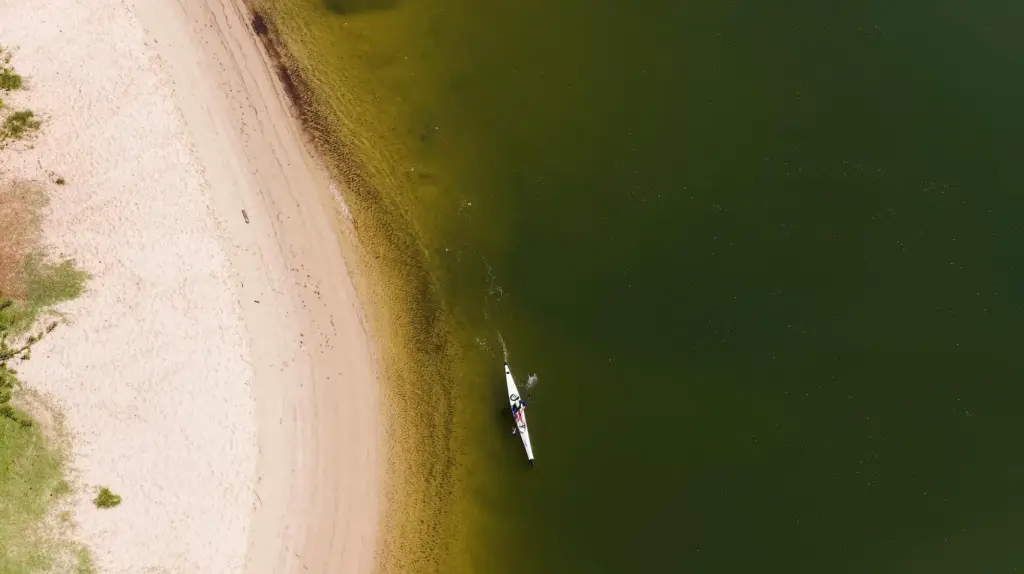
High water can soften shingle clatter while amplifying cave resonance, whereas low water spreads surf across flats, diffusing impact yet revealing rivulets, drips, and draining channels. Between these extremes, shifting bars and steps create textured swash, a lively middle register where rhythms overlap, collide, and briefly synchronize like improvising musicians.
Springs, Neaps, and Range-Driven Drama
When the Moon and Sun pull together, Cornwall experiences broader ranges that push water higher into coves and draw it farther off reefs. During quieter neaps, changes are gentler, revealing micro-patterns. Tracking these cycles alongside weather helps explain why the same cove murmurs one week and thunders the next.
Estuaries, Rips, and Swirling Edges
Where tide races constrict through harbor mouths or estuaries, the water speaks with hisses, burbles, and sheeted rushes. Listen at Hayle or Helford as sandbanks steer currents into audible braids. Turning slacks invite sudden quiet, followed by renewed chatter when flow resumes and eelgrass rustles under tightening streamlines.
Loe Bar and the Speaking Shingle
At the shingle barrier of Loe Bar, each uprush and backwash sorts pebbles by size, creating clacks, scrapes, and sudden rolls that seem to answer the sea. Approach cautiously; slopes can be treacherous. From a safe distance, the texture fluctuates with tide height, swell period, and the day’s wind energy.
Sea Caves, Arches, and Booming Chambers
Along stretches near Porthcurno and the Lizard, pockets and arches focus energy into resonant thumps and breathy whoomps, especially when a rising tide meets long-period swell. Standing waves bloom, then fade between sets. Pause and you may hear dripping fissures answering deeper pulses, a geological call-and-response older than any harbor bell.
Wild Voices Riding the Turning Water
As channels flood and strand, the cast of callers shifts. Grey seals haul out, rest, and socialise between rock ledges; waders probe exposed flats; gulls patrol tidelines; wrack pops underfoot. These lives intertwine with wave noise, sometimes masked, sometimes framed, revealing how movement of water choreographs the coastal choir.

Seals at Godrevy and Hidden Conversations
From the cliffs above Godrevy, gentle moans and contact calls occasionally rise when conditions hush, especially during calm intervals between sets. Underwater, their voices travel farther, but shore listeners catch fragments as tides open haul-out ledges, then close them again. Respect marked viewpoints to keep resting animals undisturbed and safe.
Oystercatchers, Curlews, and Tidal Dining Rooms
Low water lays a table of worms, mussels, and crustaceans, inviting brilliant piping from oystercatchers and mournful fluting from curlews. As water returns, calls reorganize along new edges, echoing off harbor walls. Listen for abrupt hush when a hunting peregrine glides past, and the entire inlet pauses, breath held.
Seaweed Pop, Bubble Trails, and Tiny Percussion
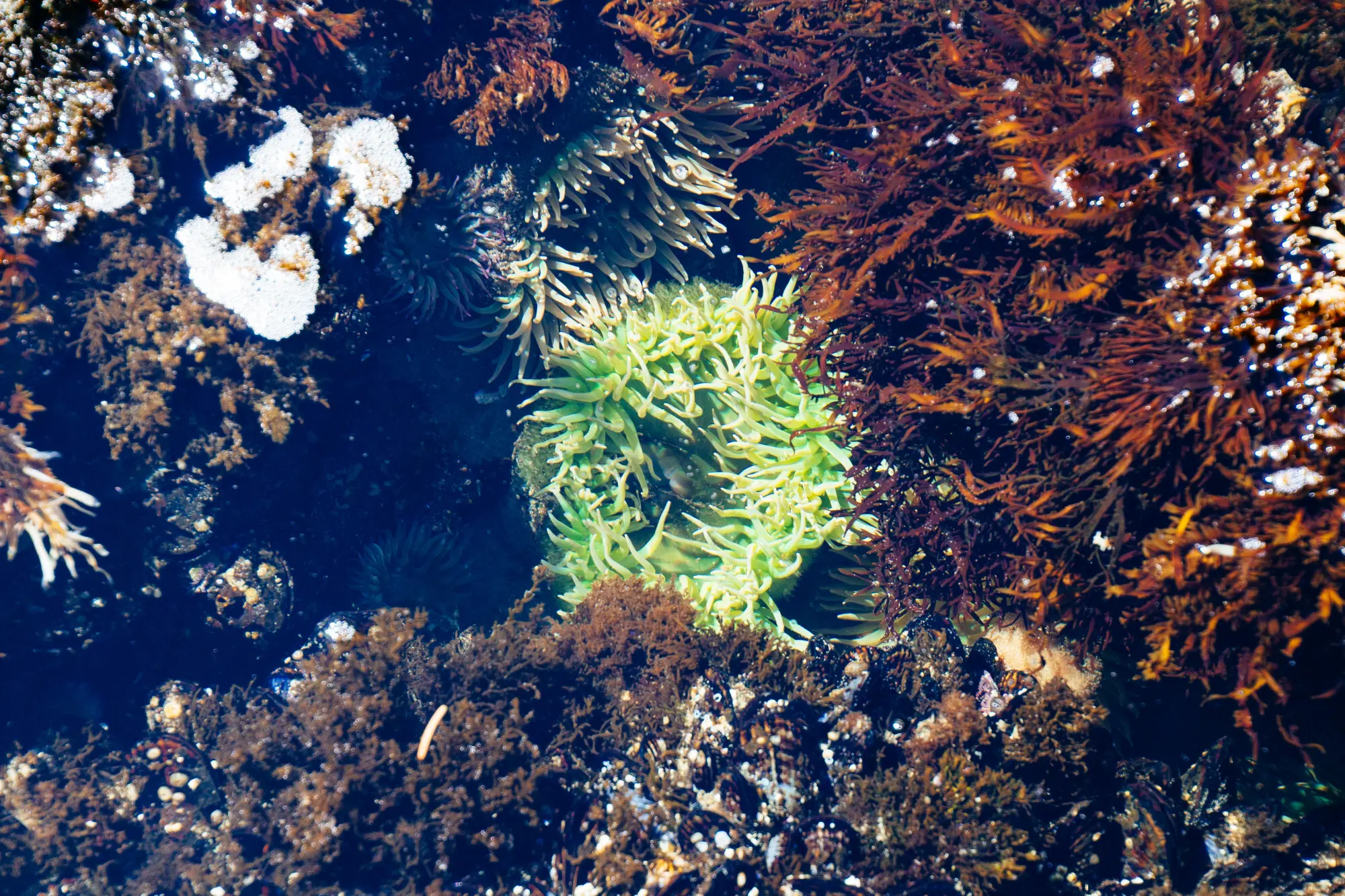
When waves comb bladderwrack and serrated wrack across boulders, small bladders pop like miniature castanets. As pools refill, trapped air escapes in chiming strings of bubbles. Lean close and you will hear drips, scrapes, and the faint rasp of periwinkles ranging between splash zones with measured determination.
Harbors, Bells, and Human Footprints in Sound
From Newlyn to St Ives, people have long tuned their working days to water levels. You may hear halyards tick, planks creak, and boots crunch on sanded slipways as crews time launches. Historic bells and fog signals join or fade with regulations, yet the shared choreography persists whenever tides dictate opportunity.

Gig Rowing and the Surge Beneath the Oars
In towns like Newquay and Falmouth, pilot gig crews watch tide tables as closely as weather, launching when currents favor training. Listen for the coxswain’s cadence bouncing from quays and the sudden hush during a hold, while back-eddies murmur beneath transoms and the returning wake braids against stone.
Slipways, Keels, and the Grain of Working Beaches
Low water exposes the gritty theater where boats are hauled. Keels rasp across rollers, chains jangle, and voices exchange quick directions that echo differently across damp sand versus pebbled ground. As the tide rises, these textures vanish, replaced by slap, gurgle, and distant diesel idling at moorings upriver.
Listening Etiquette Among Working Hands
Harbors are workplaces first. When you stop to record or simply absorb the sound, keep clear of operations, ask permission near boats, and avoid blocking paths or steps. Friendly curiosity is welcome when paired with awareness, gratitude, and a promise to share back anything meaningful you capture.
Microphones, Wind, and Managing Salt
Coastal breeze complicates every plan. Use generous wind protection, keep silica gel with gear, and wipe surfaces after each outing. Salt spray dulls capsules and corrodes connectors. A small barrier like a natural rock nook can shelter rigs, while still letting the desired reflections and percussive swash reach membranes.
Hydrophones in Pools and Tidal Gutters
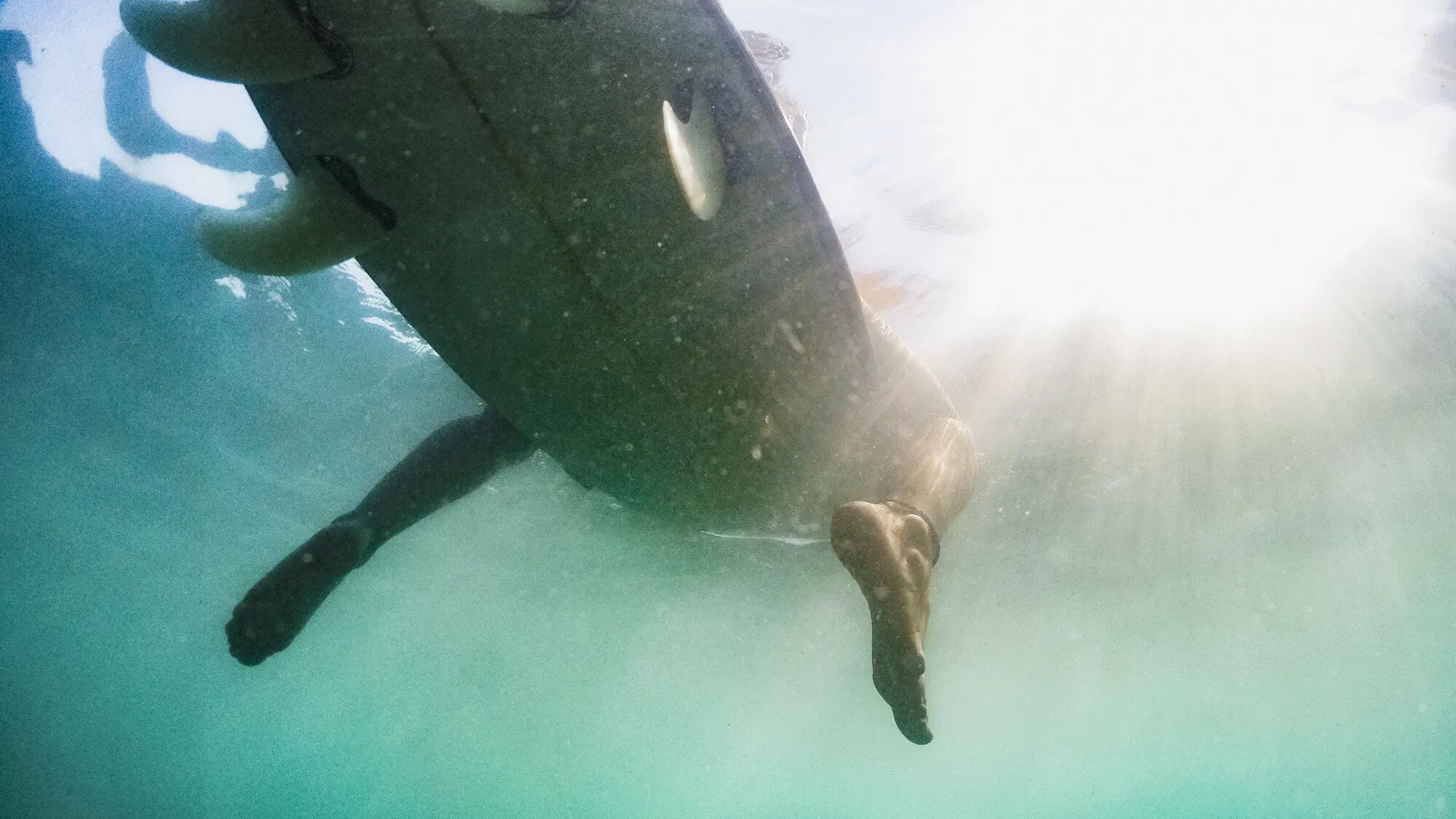
Shallow pools and draining gutters become quiet theaters when surf calms. A carefully placed hydrophone can capture tinkling sand grains, kelp squeaks, and delicate fizz as pressure changes. Secure cables from abrasion, note exact water level, and compare recordings across stages of the same tide to hear evolving patterns.
Reading the Data Behind the Music
Separating Tide from Weather and Swell
Winds and distant storms often dominate what you hear, yet tide still shapes geometry. By noting identical wind conditions across different heights, you can isolate tidal influence. Photographs of wave breakpoint lines, matched with audio and logs, reveal how moving edges sculpt reflections and lengthen reverberation under rising water.
Citizen Sound Mapping of Cornish Coves
Create a shared map pinning recordings to precise times and tide states, linking notes, photos, and spectrogram snapshots. Invite walkers, surfers, and fishers to contribute. Over seasons, the archive shows shifts in sandbars and seasonal voices, encouraging dialogue, stewardship, and return visits when conditions promise rare textures.
Coasts in a Warming, Rising World
Sea level rise subtly retunes beaches by steepening profiles and shifting bars. Storm tracks and seasonal swell windows may also change, altering how familiar coves project sound. Long-lived recordings, consistently annotated with tide and weather, become evidence that helps communities adapt thoughtfully while holding onto cherished listening places.

All Rights Reserved.