Hear Cornwall’s Edge Anew
Listening to Tides and Stone
Surf-Scoured Coves
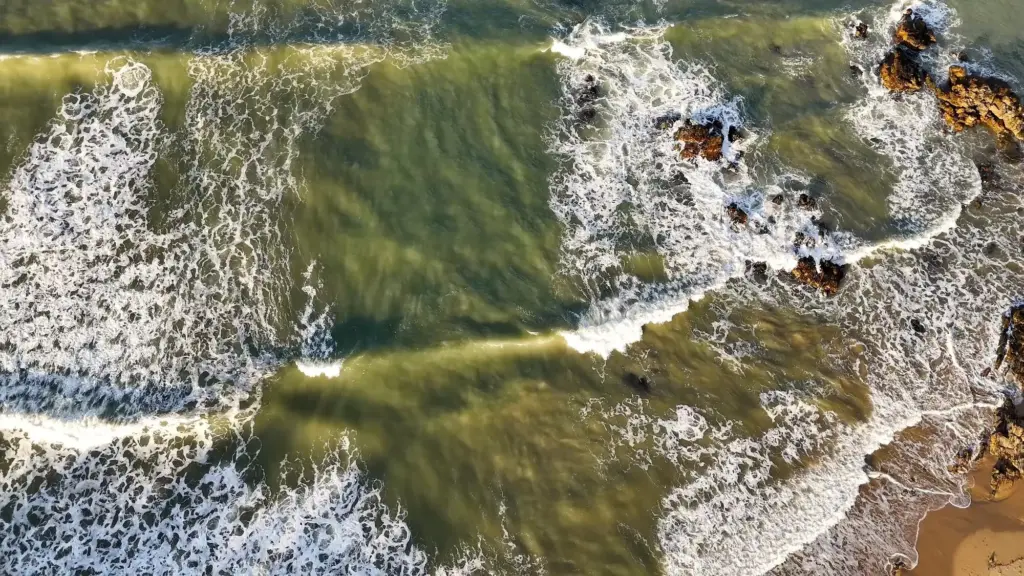
Walk the shoreline at low tide and you’ll hear pebbles clatter under receding waves like a thousand tiny tambourines. As tides rise, tones deepen, and the same beach becomes a slow drum. Recording both cycles captures the cove’s breath, a patient pattern that helps identify this spot anywhere.
Cliffs as Giant Instruments
Stand beneath a high headland on a blustery day and feel wind transform the cliff into a vast resonator. Cracks whistle, ledges echo gull calls, and sea caves amplify booms. Microphone placement near natural hollows reveals tones that sketch the cliff’s shape, like a sonic contour drawing.
Voices of Work and Wayfaring
Dawn at the Fish Market
Sea Songs Returning to the Quay
Wild Chorus Along the Edge
Foghorn Memories
Bells and Buoys at the Channel’s Edge
Storms That Retune the Shoreline
Tools for Careful Listening and Mapping
Walking with Binaural Ears
Place lightweight microphones at ear level and move slowly, letting turns and pauses sketch space. Avoid wind roar with proper shields, and choose quieter footgear to minimize crunch. Annotate time, tide, and weather so future listeners can step into your path, locating each breath of coastline precisely.
Hydrophones in Harbours and Pools
Lower a sensor carefully where allowed, away from propellers and moorings. Even shallow water can reveal fizzing foam, tapping crustaceans, and distant engines droning like whales. Rinse gear afterward and log depth, substrate, and salinity. These details transform pretty sounds into meaningful layers rooted in context and care.
Respect, Consent, and Quiet Corners
Ask before recording identifiable people, honor posted guidance, and give wildlife generous space. Some places carry grief or sacred memory; listen more, speak less, and credit storytellers. Clear captions about method, location vagueness for sensitive sites, and community moderation keep the project welcoming, trustworthy, and sustainably adventurous.
Legends, Language, and Echoes of the Past
Submit a Recording with Clear Metadata
Community Playlists and Listening Challenges
For Educators and Families on the Path

All Rights Reserved.