Underwater Echoes Along Cornwall’s Living Coasts

Today we explore Underwater Echoes: The Subsea Soundscape of Cornwall’s Reefs and Kelp Forests, inviting you to listen as currents thread through kelp, granite ledges scatter tiny reflections, and marine life reveals itself through knocks, crackles, and moans. Expect science stitched to shoreline stories, practical tips for safe listening, and an open invitation to share your own recordings, questions, and moments of wonder from coves you love.

Listening Below the Kelp Canopy

How Sound Moves Through Fronds and Granite

Sound travels faster underwater than in air, and kelp forests complicate that glide with swaying fronds that scatter high frequencies while reefs reflect lower notes along ledges. You’ll notice murmured echoes under overhangs, sharper clatter in open boulder fields, and softer, cloth-like rustle where Laminaria hyperborea thickens into a layered, breathing ceiling.

Reef Life as Everyday Musicians

Sound travels faster underwater than in air, and kelp forests complicate that glide with swaying fronds that scatter high frequencies while reefs reflect lower notes along ledges. You’ll notice murmured echoes under overhangs, sharper clatter in open boulder fields, and softer, cloth-like rustle where Laminaria hyperborea thickens into a layered, breathing ceiling.

Your First Safe Listen

Sound travels faster underwater than in air, and kelp forests complicate that glide with swaying fronds that scatter high frequencies while reefs reflect lower notes along ledges. You’ll notice murmured echoes under overhangs, sharper clatter in open boulder fields, and softer, cloth-like rustle where Laminaria hyperborea thickens into a layered, breathing ceiling.

Tides, Weather, and the Seasons Conduct the Chorus

The coast never repeats itself. Spring light thickens kelp canopies and amplifies tiny crackles as photosynthesis surges. Summer brings calmer surfaces that unveil delicate details. Autumn storms drum low across reefs, while winter clarity returns glassy distances. Tracking these cycles teaches your ears how the calendar writes itself into Cornwall’s underwater music, day after day.

Wrasse, Pollack, and Bass: Grunts, Knocks, and Purrs

Courtship and territorial moments can bring brief, percussive bursts from fish, sometimes like a muted drum or soft purr. Reports from divers and hydrophone logs often note evening pulses near boulder fields. Keep your recorder still, reduce handling noise, and mark time with tide notes; repeated patterns across days often reveal purposeful, not random, intent.

Grey Seals and Visiting Dolphins

Grey seals often share mournful, cathedral-like tones in shallow gullies, while passing dolphins scatter bright clicks and whistles overhead, especially where prey concentrates near headlands. Give wildlife generous space and quiet. If they approach, stay passive and keep engines, paddles, and anchors still. The most rewarding encounters arrive when you recede into attentive patience.

Crabs, Shrimps, and Grazing Urchins

Invertebrates stitch the backdrop: claw taps, shell scrapes, and the dry-brush sound of urchins rasping algae. In calmer coves, these textures feel intimate, almost domestic, like hearing neighbors cooking through a wall. Place the hydrophone near kelp holdfasts or among cobbles, and avoid touching the cable; every finger adjustment becomes an unwanted thunderclap.

Fish, Seals, and Invertebrates: Distinct Voices in a Shared Room

Cornish reefs host a democratic orchestra. Many wrasse, pollack, and bass produce short grunts or knocks; grey seals trade long, hollow moans; crustaceans add clacks, snaps, and busy footwork; urchins etch stone with tiny metronomes. Knowing who might speak and when turns mysterious textures into conversations, letting you recognize neighbors by sound alone.

Harbours, Engines, and the Choices We Make

Propellers, Cavitation, and Calm Anchors

Fast-turning props create bubbles that collapse with sharp noise, spreading far in quiet coves. Easing back a few knots, avoiding tight turns near reefs, and using well-set anchors on sand reduce harsh bursts. If you boat, try listening over the side at idle; hearing the difference often makes better habits feel obvious, immediate, and satisfying.

Quieter Work at Sea: Windows and Methods

Where coastal projects happen, scheduling noisier tasks outside sensitive seasons helps fish, seals, and invertebrates recover. Soft-start procedures, bubble curtains, and attentive monitoring can limit spread. Local groups increasingly share guidance; builders, fishers, and researchers meet on piers to compare notes. Collective learning, not blame, turns necessary work into kinder, better-timed presence.

Citizen Listening and Open Data

With simple hydrophones and careful notes, coastal listeners can map quiet refuges, busy channels, and seasonal shifts. Share recordings with community science projects, local trusts, or university teams, adding coordinates, depth, tide, and weather. Transparent, respectful datasets help shape policies that protect both working patterns and the fragile conversations happening beneath your boots.

Where to Listen: Coves, Reefs, and Gentle Entries
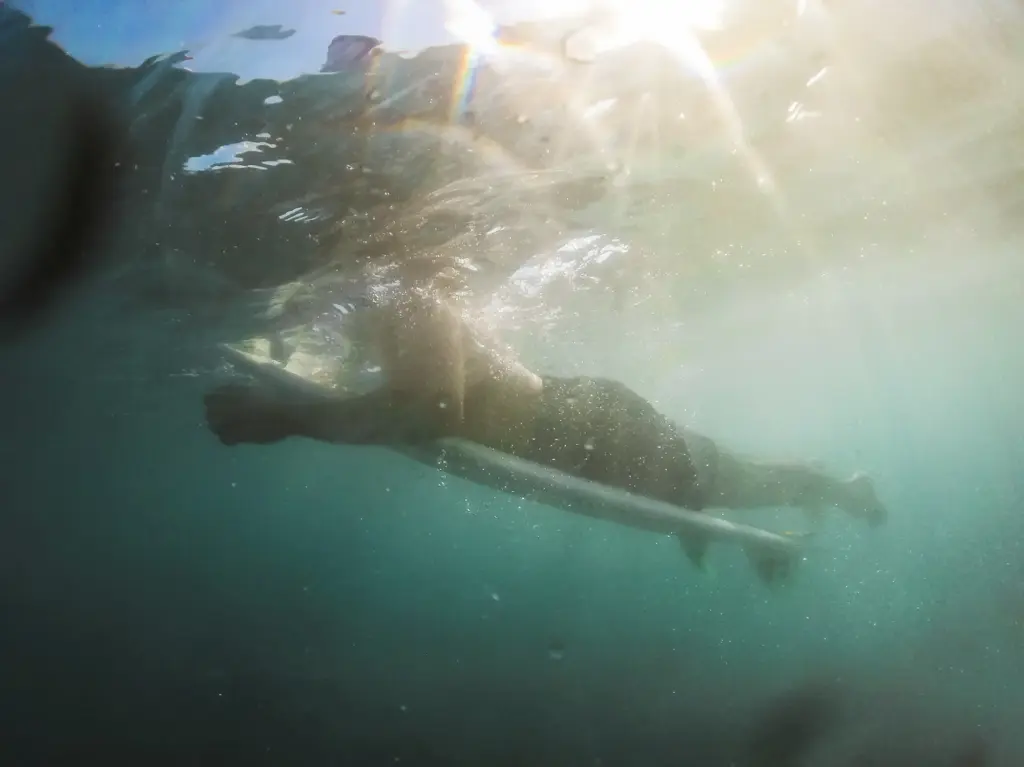
Cornwall offers welcoming doorways to this hidden world: the Manacles’ reefs near the Lizard, sheltered corners of Falmouth Bay, Mount’s Bay’s kelp gardens, and quiet mornings inside Looe’s voluntary conservation waters. Always check tides, swell, and access rules. Favor safe entries, avoid fragile habitats, and bring patience—water reveals secrets at unhurried, generous pace.

Recording Well: Gear, Setup, and Care
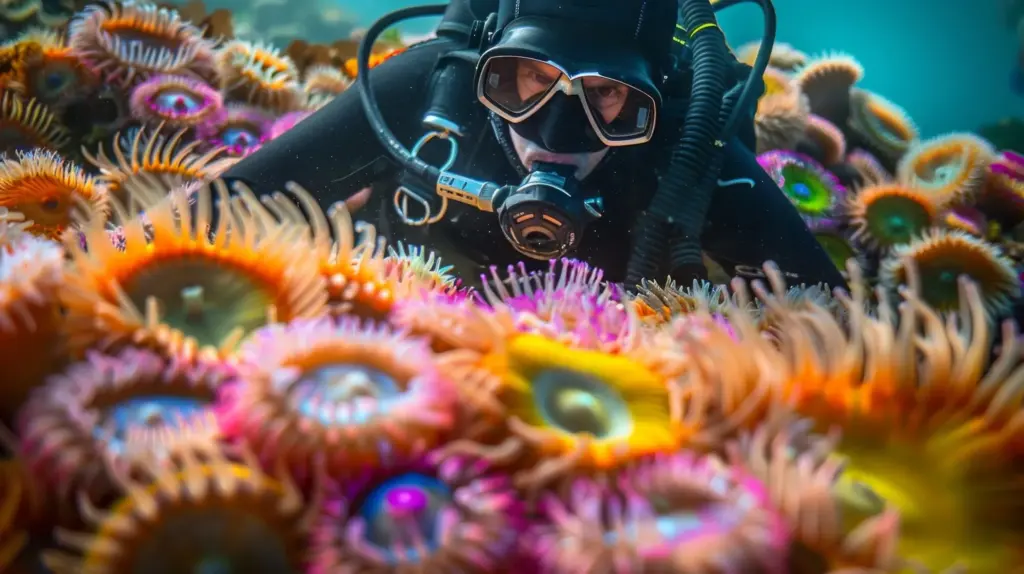
Thoughtful technique unlocks clarity. Choose a hydrophone matched to your recorder’s input noise and sample rate needs. Weight your line, reduce cable rub, and log conditions meticulously. Rinse salt from gear, dry connections, and store coils loose. Consistency across sessions turns scattered moments into a reliable portrait of reefs and forests evolving through time.

Stories That Stay With You

We learn fastest through moments that mark us. A diver hears a seal duet echo down a granite aisle; a skipper notices how throttling back cleans the whole cove; a researcher maps dawn choruses to canopy height. Share yours, subscribe for field notes, and help chart Cornwall’s underwater conversations with curiosity, humility, and joy.